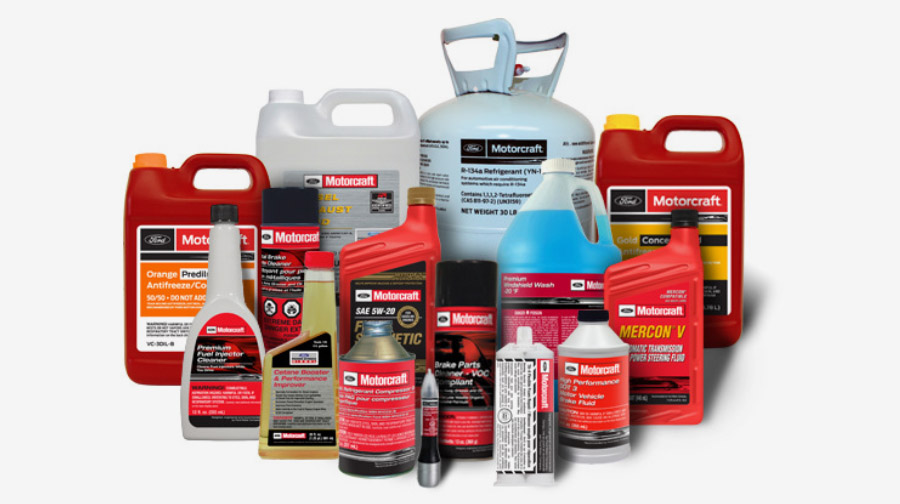
Oil Lubes & Chemicals
Automobiles are self-propelled vehicles designed primarily for transporting passengers and goods on roads. Typically powered by internal combustion engines, electric motors, or hybrid systems, automobiles are a key component of both personal and commercial transportation. They are available in multiple formats such as sedans, SUVs, trucks, and electric vehicles, each catering to different needs like comfort, fuel efficiency, or cargo space. As mobility solutions, automobiles continue to evolve with advancements in technology and environmental considerations.
Lubricants and chemicals play a vital role in maintaining and enhancing automobile performance. Engine oils, transmission fluids, coolants, and brake fluids are all essential chemical products used to reduce friction, cool engine parts, prevent corrosion, and ensure optimal function of vehicle systems. These substances are specifically formulated to meet the demanding conditions of modern vehicles and are critical for ensuring longevity and reliability.
Chemicals, whether used in automotive maintenance or other industrial applications, are substances with defined compositions. They may be natural, like iron or oxygen, or synthetic, like cleaning agents and industrial solvents. Together, oil, lubricants, and chemicals are indispensable in keeping automobiles running smoothly and efficiently in various operating environments.
